AI, personalization, & real-time seller home value tracking are a few items on the docket for 2026 technology advancements for real estate, with branded apps for agents being one of the tools slated for major upgrades.
Real estate technology in 2026 is undergoing a fundamental shift. AI, personalization, & real-time seller home value tracking are a few items on the docket for 2026 technology advancements for real estate apps. Branded real estate apps are no longer simple listing portals. They are becoming intelligent business platforms that combine artificial intelligence, real-time home data, and hyper-personalized experiences to help luxury real estate agents generate leads, nurture relationships, and stay top of mind with buyers and sellers.
During a recent product roadmap webinar, HomeStack CEO Will Grewal outlined how next-generation real estate app technology will evolve in 2026 and beyond. His message was clear: agents who rely on generic portals and manual workflows will fall behind, while those who adopt AI-driven, seller-focused technology will gain a durable competitive advantage.
For agents looking to compete in an increasingly digital marketplace, Grewal's announcements signal a major shift from basic listing apps to intelligent business platforms that leverage AI, empower homeowners through real-time updates, and deliver personalized user experiences that anticipate client needs, automate lead nurturing, and create meaningful engagement at scale.
The future of real estate technology in 2026 centers on four core capabilities:
One of the most significant announcements was the introduction of Home Hub, a comprehensive homeownership feature that empowers sellers and homeowners with real-time knowledge about their most valuable asset.
"Knowledge is power," Grewal explained during the webinar. "Oftentimes, homeowners don't even know what their equity is. Once they understand that information, we can work with them and better apply some of their earnings to certain opportunities."
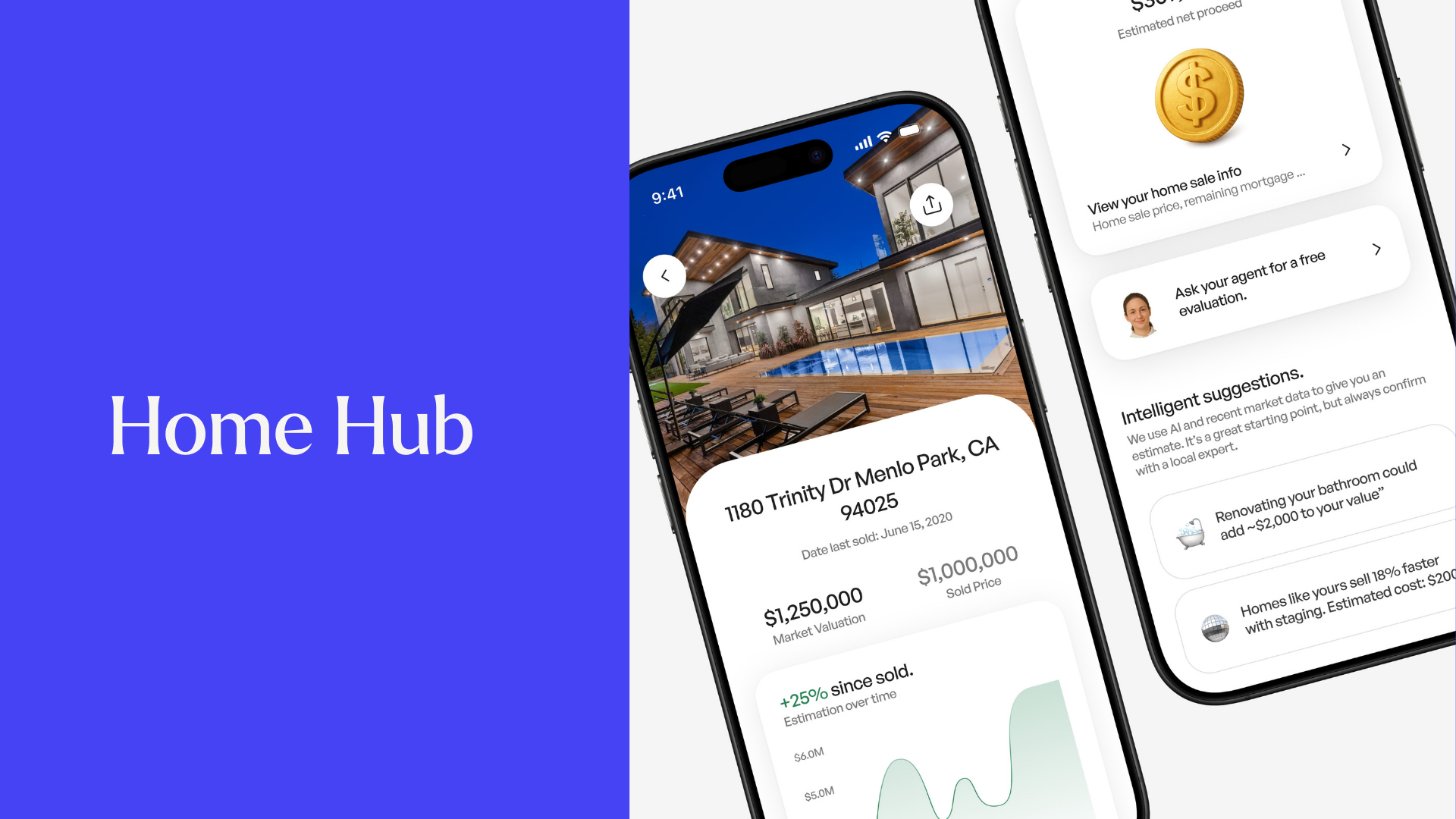
Real-Time Home Valuations: Clients can track their home's worth with monthly updates through an automated valuation model (AVM) that Grewal positioned as "a better version of the Zillow Estimate" with instant gratification for homeowners.
Live Equity Tracking: Within the AVM, homeowners can monitor their equity in real-time, gaining valuable insights that were previously difficult to access or understand.
Home Maintenance Management: Beyond valuations, Home Hub addresses the everyday needs of homeownership, including reminders for air filter changes, roof inspections, lawn care services, and other ongoing ownership needs available for access in many of HomeStack’s apps.
For luxury real estate agents, this technology extends the client relationship far beyond the transaction and positions the agent as a long-term advisor rather than a one-time salesperson.
AI-driven client intelligence is a defining trend in real estate technology for 2026. HomeStack’s roadmap replaces manual lead sorting with predictive insights powered by behavioral data.
Grewal demonstrated how artificial intelligence will fundamentally change contact management and lead nurturing within the HomeStack branded app, moving agents away from manual segmentation toward predictive, behavior-based insights.Conversational AI for Lead Identification
Instead of scrolling through contact lists, agents interact directly with AI inside their branded app.
"You open your branded app, and instead of seeing a long list of contacts, you're having a conversation with your AI system," Grewal explained. "You ask, 'Who's most likely to tour this week?' And it instantly pulls up Richard or Julia, because the AI's already looked at their behavior, search history, and their engagement."
This conversational approach eliminates the time-consuming process of manually filtering through hundreds of contacts to identify hot leads and allows agents to focus their time on high-intent opportunities quicker.
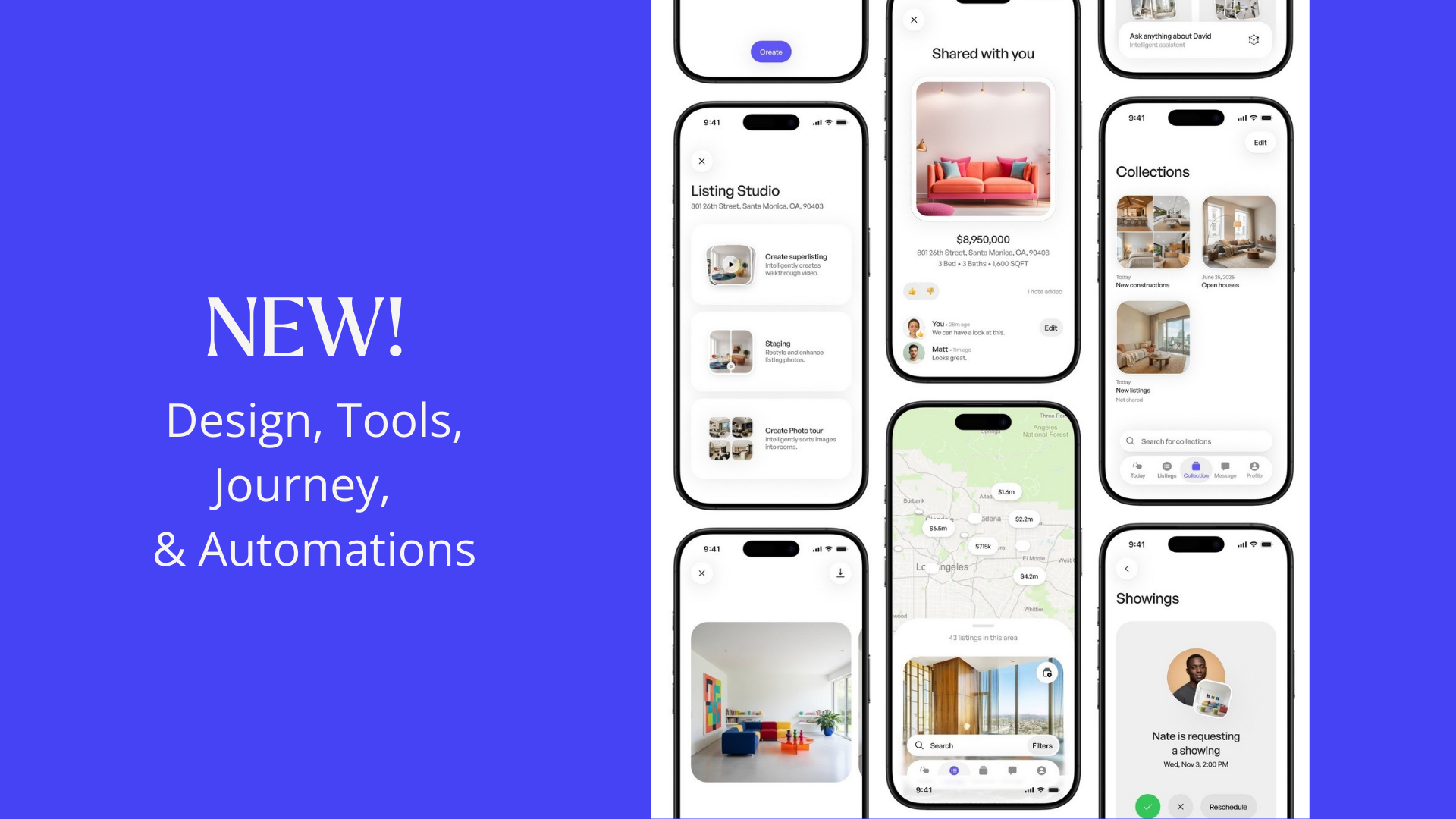
For agents managing large databases, HomeStack’s AI automatically groups contacts based on behavior rather than static tags. A few examples:
Behavioral Clustering: "Let's say you're managing 200 leads. Normally, you'd have to manually segment these, click on tags, filter these," Grewal noted. "What we want to do is provide ways of auto-identifying these through clusters, so you don't have to waste your time guessing intent. The system groups them on your behalf."
Super User Detection: The AI identifies high-intent prospects through activity bursts. For example, if a client logs into the app for the first time in seven days, then returns daily for three to four consecutive days while searching 10+ properties, the system recognizes this as elevated intent and flags them for immediate follow-up.
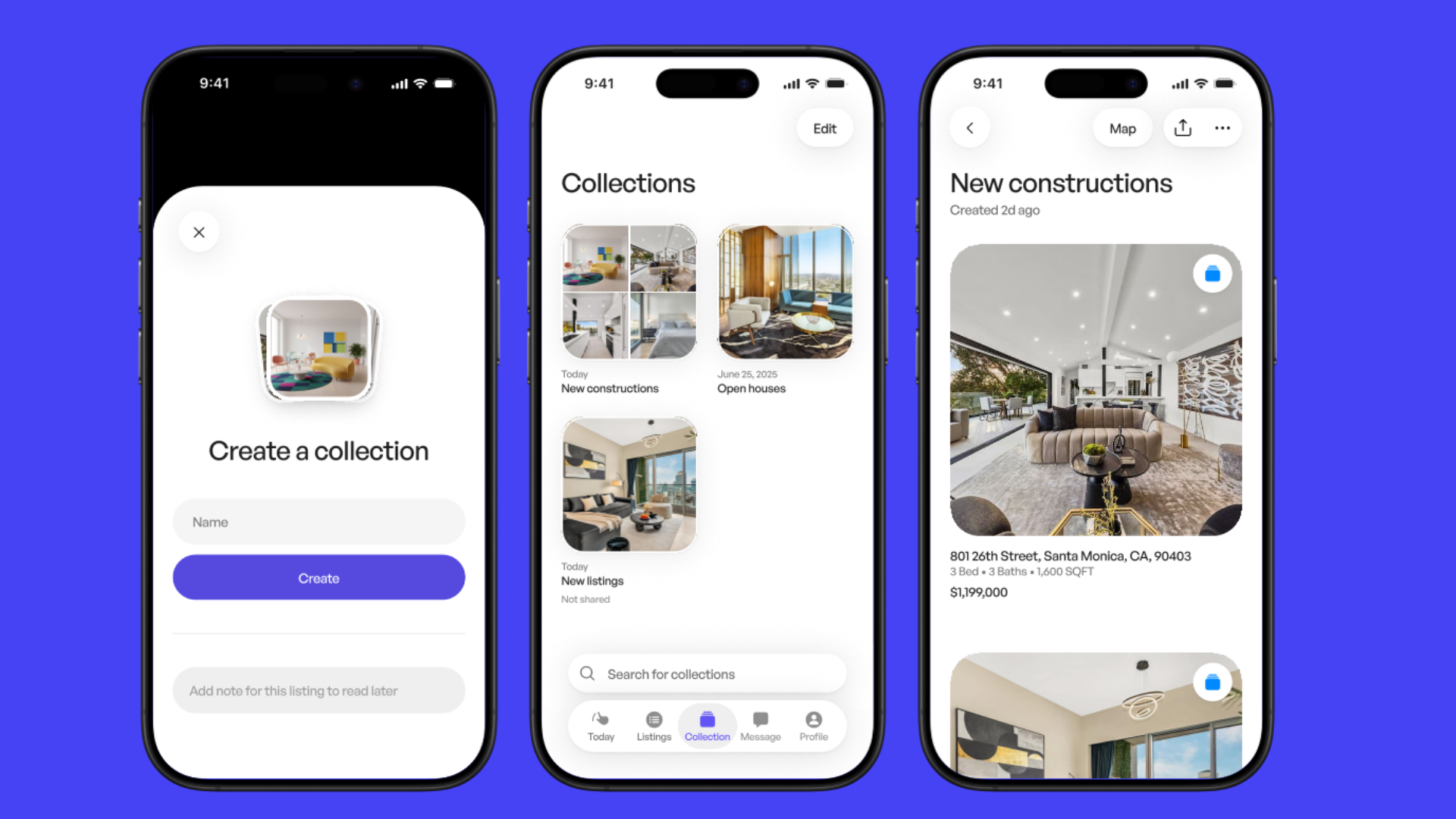
Grewal also unveiled Curated Collections, a feature designed to transform how agents and clients work together throughout the property search process. Curated Collections makes it easier for agents to send the perfect listings at the perfect time. This feature creates a shared, visual workspace where agents and clients collaborate on listings inside the app.
Instead of scattered texts, emails, and links, all saved properties, comments, and decisions live in one centralized location. This improves clarity, reduces friction, and strengthens the agent-client relationship throughout the buying process.
Perhaps the most philosophical but impactful announcement centered on hyper-personalization as the defining characteristic that will separate good agents from great ones in 2026.
"Hyper-personalization is going to be the difference between good versus great," Grewal emphasized. "Good is putting everything in a box and having standardized messaging. Great is meeting people where they are and being able to have an ongoing conversation based around sentiment."
HomeStack's approach to personalization goes beyond demographic targeting. The platform will analyze individual agents' writing styles and communication patterns to ensure that AI-generated messages feel authentic and personal.
"One of the things we're looking into is actually taking some of your writing style, your communication style, and making sure that the messaging is as crafted as if it's coming from you and not coming from us," Grewal revealed. "Every one of you has a secret weapon, and that's really your personality."
This capability allows agents to scale personalized communication without sacrificing the authentic voice that builds trust with clients—a critical advantage in an industry where relationships drive business.
The announcements from HomeStack's 2026 roadmap webinar represent the future of real estate apps—a fundamental evolution powered by AI, seller-focused tools like Home Hub, and personalized user experiences:
For real estate professionals evaluating their technology stack, these innovations position the HomeStack app as more than a branded search portal—it's becoming an intelligent, AI-powered business assistant with seller empowerment tools that works 24/7 to identify opportunities, nurture relationships, and amplify your unique strengths through personalized user experiences.
While Grewal's webinar focused on the Seller Home Hub, Client AI Intelligence, and hyper-personalization, he hinted at additional features currently in development that further illustrate the future of real estate apps, including conversational AI search that understands natural language, AI coaching tools for agents, and virtual staging capabilities that allow clients to visualize furnished homes instantly.
The message was clear: 2026 will mark a turning point for mobile real estate technology, where branded apps powered by intelligent AI, enhanced with seller-focused tools like Home Hub, and built around personalized user experiences will become the competitive advantage that separates top performers from the rest of the pack.
The future of real estate apps isn't just about technology—it's about creating experiences that feel magical, intuitive, and impossibly helpful for both buyers and sellers. HomeStack is building that future today.
Want to learn more about how the HomeStack branded app can transform your real estate business? Explore our latest features and request a demo today.